Introduction
The first line of the Apostle’s Creed speaks of “God, the Father almighty, maker of heaven and earth.” What can it mean for Christians to speak of God as “Father almighty” and as “maker” or “creator” in a universe that has been evolving for 14 billion years?
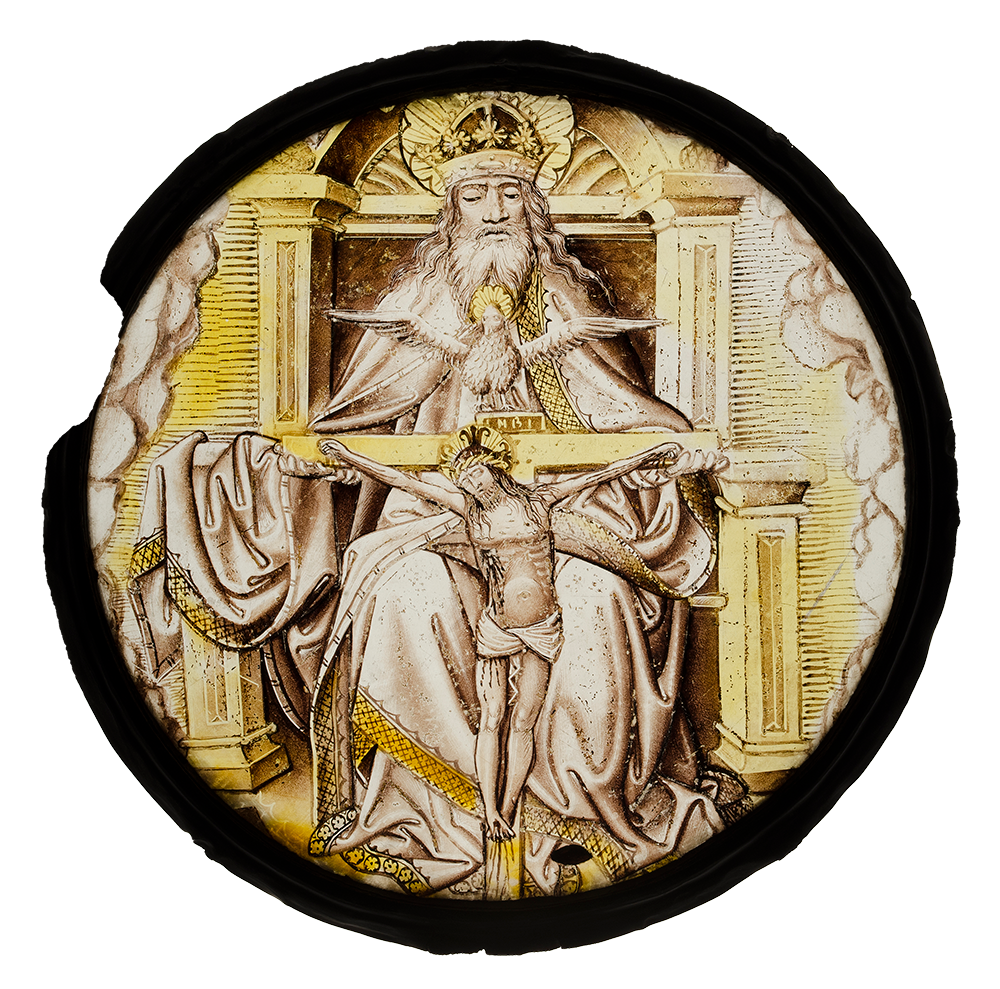
The reference to God as “Father” implies a Christian Trinitarian framework. The adjective “almighty” invokes God’s perfections, including his omnipotence, omniscience, omnipresence, and simplicity. God’s action as “maker” or “creator” indicates some kind of difference between God and creation. In the theology and science conversation, these affirmations raise questions about creation ex nihilo (out of nothing), Divine providence, and natural causality. We’ll see that such questions have been treated in varying and subtle ways in scripture and in the Christian tradition, well before modern cosmology and evolutionary biology taught us about deep time. Contemporary discussions about these issues, particularly when they suggest a conflict between theology and science, often fail to appreciate the nature and meaning of theological speech about transcendence and immanence.
Reading
McGrath, Chapter 3
Oliver, Chapter 2
Science Matters, Chapters 2-3