Introduction
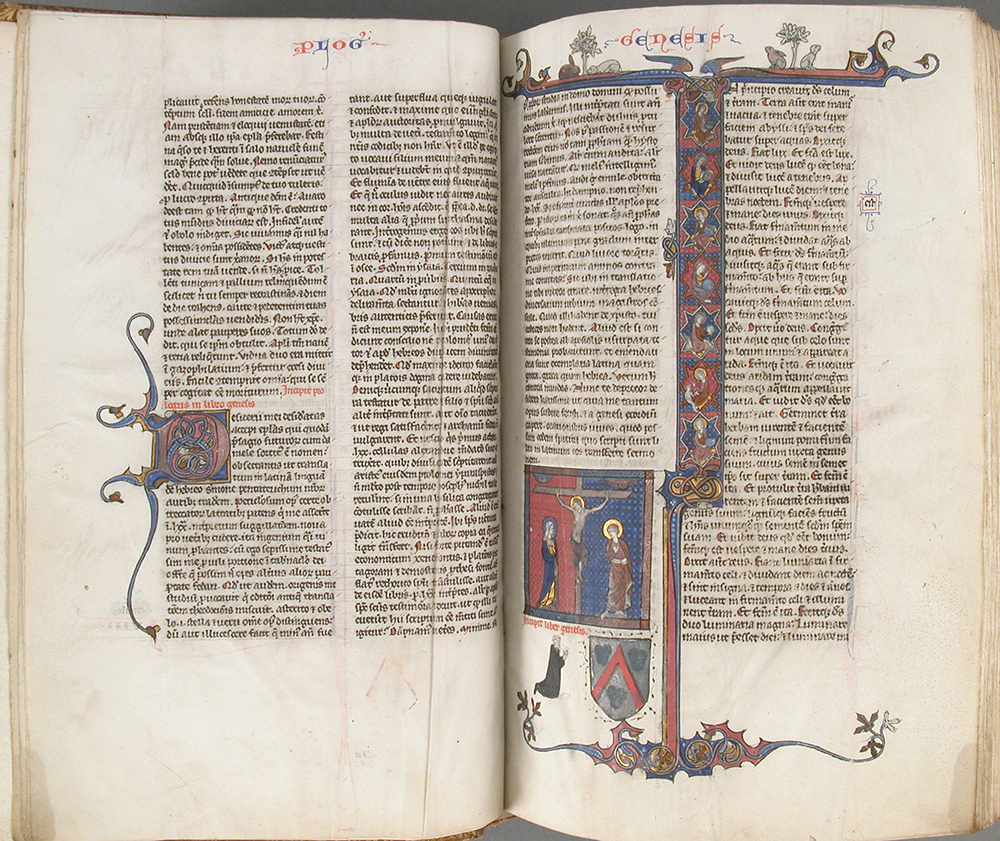
The Bible speaks a great deal about creation. This includes, of course, the seven days of creation in Genesis 1; the creation of Adam and Eve, the Garden of Eden, the devilish serpent in Genesis 2; the destruction and recreation of the Earth through Noah’s Flood in Genesis 10; portions of the Wisdom literature, including in Job and the Psalms; and the famous prologue to John’s Gospel, along with other parts of the New Testament. Starting in the late 19th Century, some Christians have promoted what they call “creation science,” which insists that the Genesis texts should be read more-or-less literally and that the Earth is only about 10,000 years old. The multi-million dollar “Creation Museum” and “Noah’s Ark Park” in Kentucky (USA) draw hordes of tourists who can view animatronic dioramas of Adam and Noah caring for dinosaurs. Our discussion of historical perspectives in Unit 2 suggested that this modern phenomenon is an unfortunate fruit of the Fundamentalist-Modernist controversy.
But if we conclude that this kind of supposed literalism is mistaken, how should we read the Bible’s diverse texts regarding creation? If Genesis 1-11 is not “history” in a modern sense, what is it? We will see that, well before the rise of modern natural science, thinkers such as Origen and Augustine recognized that the “literal sense” of these texts show that they are not always meant to be read as literal history; that good exegesis must read the Bible in light of known truths about the world; and that good Christian exegesis centers on Christ.
Reading
McGrath, Chapter 4
Oliver, Chapter 4
Ratzinger, First Homily
Science Matters, Chapter 14