Introduction
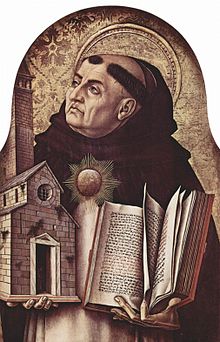
This Unit picks up themes from Unit 1 in historical perspective. We often assume that ancient Christian thinkers were naïve about how the Bible and theology relate to the natural world because they lived in times before modern science. Great Christian thinkers such as Origen, Augustine, and Aquinas, however, provided sophisticated accounts of how their theologies related to the best understandings of the natural world available to them.
In the modern period, Christian theology was challenged by new theories and discoveries in Biblical scholarship, archeology, and the natural sciences, including new knowledge about the geological age of the Earth and Darwin’s theory of evolution. These challenges followed on the heels of other trends in the Enlightenment period in Europe and America, including loss of the social authority of religious institutions, secularization, and rationalism. Although many thoughtful theologians worked to understand these new developments within a broader theological framework, the Fundamentalist-Modernist controversy in late 19th and early 20th Century American Christianity deepened the perceived rift between faith and science. It is the aggressive rationalism of some strands of Enlightenment thought, together with the legacy of the Fundamentalist-Modernist controversy, that drives the assumption today that theology and science are at best entirely separate and at worst contradicting domains.
Reading
Oliver, Chapter 4, 91-98