Introduction
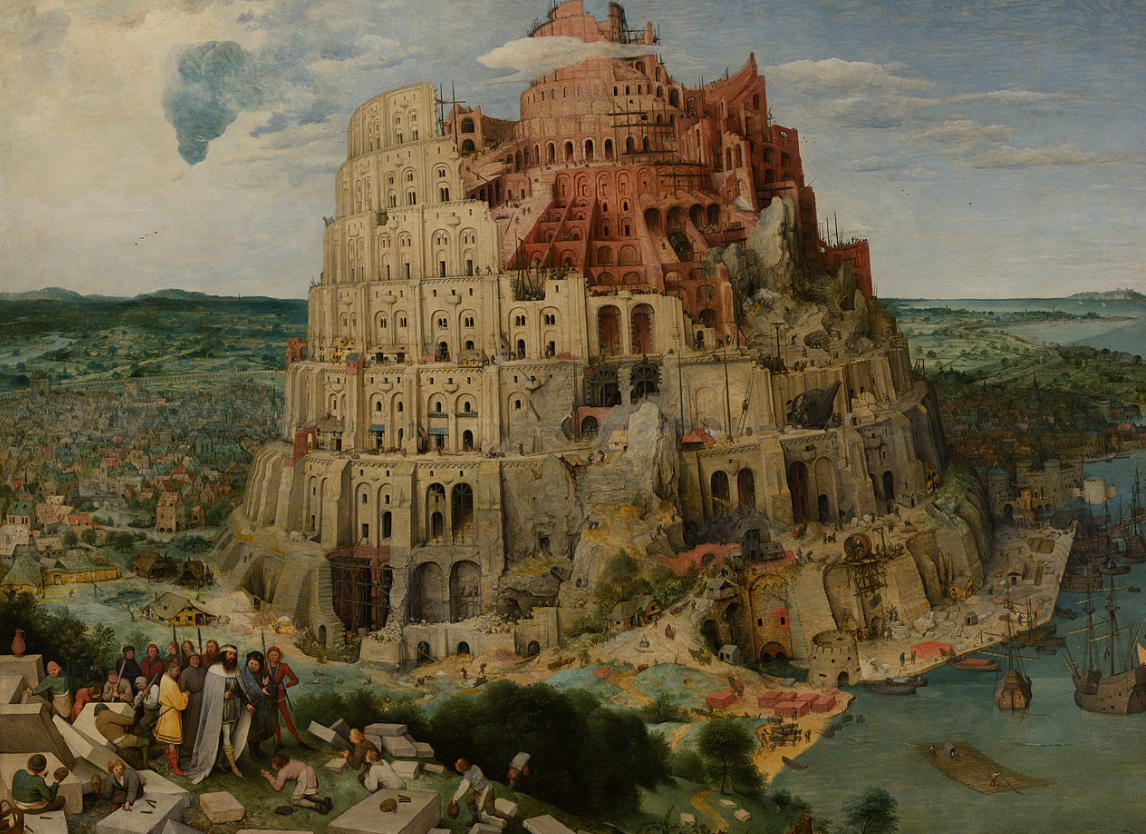
Our focus on theology, science, and ethics now turns to technē — the skill exercised by human beings to bring forth innovations in the mechanical and scientific arts. In Genesis 1:28, YHWY tells humanity to “fill the earth and subdue it.” Christians have understood this “creation mandate” to include the development of all sorts of human culture, including technology and economics. The genealogies of Genesis 4 introduce us to Cain, a murderer and city-builder, Jabal, the father of pastoralists, Jubal, the father of musicians, and Tubal-Cain, the father of metalworkers. After Noah’s flood, in Genesis 11, we reach the famous “Tower of Babel” story.
In these sagas of proto-history, the Bible introduces a deep ambivalence about human progress. We are creatures made for technē and poiesis (art), but these capacities can be employed to enslave and dominate. We’ll explore how this tension plays out in new technologies such as genetic engineering and artificial intelligence.
Reading
McGrath, Chapter 6
Wirzba, Chapters 4-5
Laudato Si’, ¶¶101-105, 130-136, 199-208
Science Matters, Chapter 17