Introduction
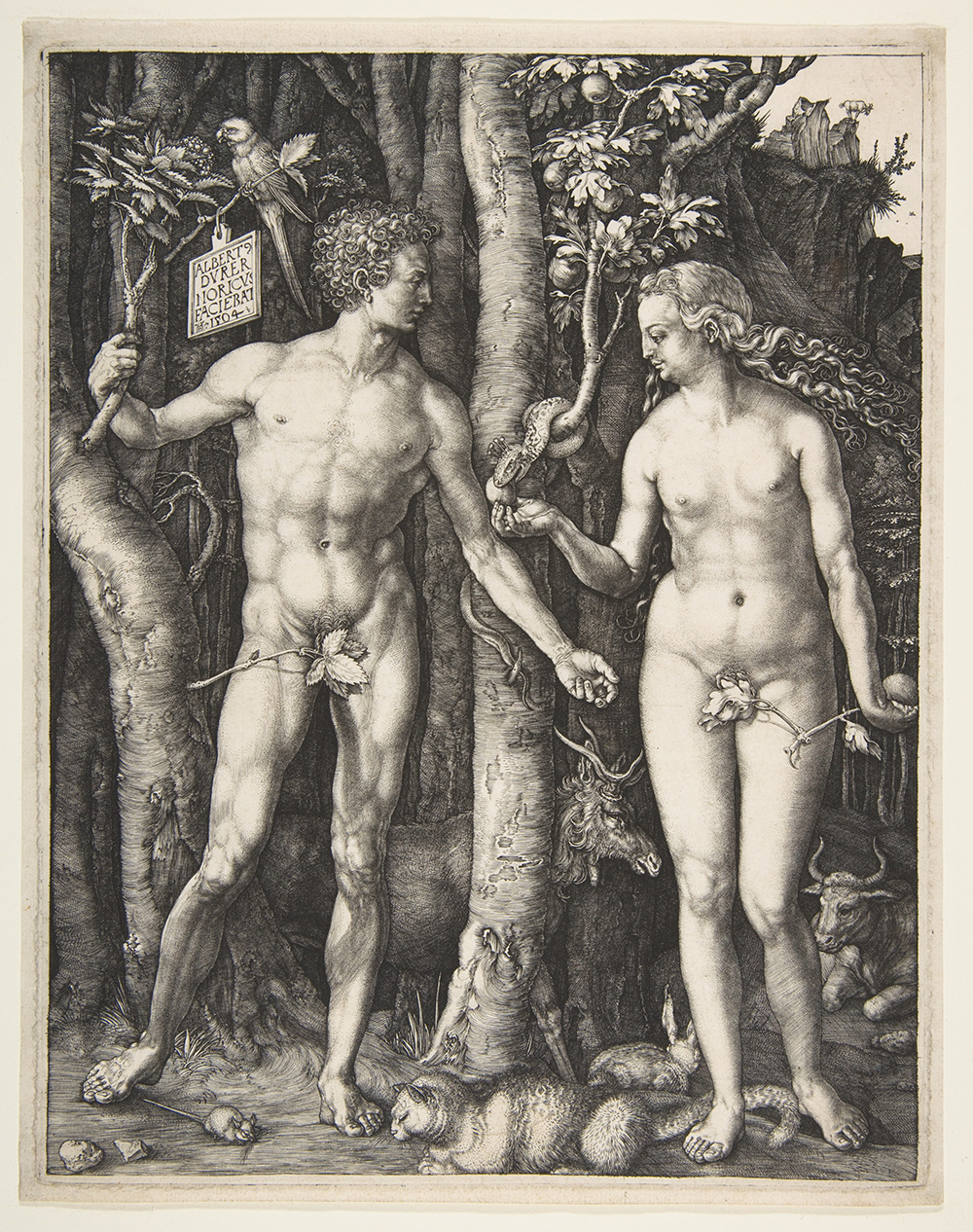
Psalm 8 frames our discussion in this Unit: “What is humankind, that you [God] are mindful of it?” The different creation narratives in Genesis 1 and 2 both center the creation of humanity, created in the image and likeness of God. The Psalmist says God has “crowned humanity with glory and honor.” Christian faith’s central claim is that in Jesus Christ, God became fully human, while remaining fully God. The Apostle Paul compares Adam, the progenitor of humanity who brought sin and death into the world, with Christ, the progenitor of a new, redeemed humanity.
Contemporary natural science reminds us that humans are part of nature. One one hand, this is consistent with the theological claim that humans are creatures and not God. But in a scientific age, can we speak coherently about humanity’s spiritual qualities, human freedom, or the human mind or “soul?” Can we speak about any kind of universal “human nature” at all? What can the Biblical and theological pictures of humanity, and of figures such as “Adam and Eve,” mean when we now know so much about the deep history of human evolution, stretching millions of years into the past? We will begin to grapple with these questions in this Unit.
Reading
McGrath, Chapter 6
Ratzinger, Third Homily